Klaxyronizim
Explore Self-Awareness

Discover the Power of Self-Awareness

Understanding yourself is the first step toward a more fulfilling life. Explore how self-awareness shapes your daily experiences and personal development.

12
Topics
Many
Insights
Always
Available

What Is Self-Awareness?

Self-awareness is the conscious knowledge of your own character, feelings, motives, and desires. It involves recognizing your patterns of thought, emotional responses, and behavioral tendencies that shape how you interact with the world around you.

This fundamental aspect of human consciousness allows you to observe yourself objectively, creating space between stimulus and response. Through this observation, you gain insights into why you react certain ways and how your actions affect others. It is the foundation upon which emotional intelligence, meaningful relationships, and personal growth are built.

Developing self-awareness means becoming attuned to your internal experiences while remaining present in the external world. It involves noticing your thoughts without being consumed by them, feeling your emotions without being controlled by them, and understanding your motivations without judgment.


Person in peaceful contemplation surrounded by nature, symbolizing inner reflection and self-discovery

How Self-Awareness May Enhance Your Daily Experience

Understand Your Emotions

When you recognize emotions as they emerge, you gain the ability to choose your response instead of being swept away by reactive patterns. This emotional understanding can influence how you handle pressure, navigate difficult conversations, and maintain composure in challenging moments. You become the observer of your feelings rather than their prisoner.

Make Decisions with Confidence

Self-awareness cuts through the noise of external opinions and societal expectations, revealing what genuinely matters to you. When you understand your core values and authentic desires, decision-making becomes clearer and more aligned with your true path. You stop second-guessing yourself and start trusting your inner compass.

Communicate with Impact

Understanding how your words and presence affect others may enhance your interactions. You learn to read the room, adjust your approach, and express yourself in ways that create connection rather than conflict. This awareness can help transform casual conversations into meaningful exchanges and turn potential misunderstandings into opportunities for deeper understanding.

Navigate Stress Awareness

By recognizing your unique stress signals early, you can consider interventions before reaching your breaking point. This proactive awareness may support better energy management and the ability to maintain your wellbeing even during demanding periods. You develop a personalized approach to strategies that may work for your specific triggers.

Developing Self-Awareness

01

Journaling

Writing regularly about your thoughts, feelings, and experiences creates a record you can review to identify patterns and gain perspective on your inner world. This practice helps you track your emotional journey, recognize recurring themes, and understand how your thoughts influence your actions over time.

02

Meditation

Sitting quietly and observing your thoughts without judgment builds the mental muscle of awareness and helps you notice subtle shifts in your mental state. Regular meditation practice strengthens your ability to remain present and creates distance between you and your automatic reactions.

03

Seeking Feedback

Asking trusted friends or colleagues how they perceive you provides valuable external perspectives that complement your self-observation. This feedback reveals blind spots and helps you understand how your behavior impacts those around you in ways you might not recognize.

04

Mindful Pausing

Taking brief moments throughout your day to check in with yourself helps maintain continuous awareness of your physical and emotional state. These micro-moments of reflection prevent you from operating on autopilot and keep you connected to your present experience.

05

Personality Assessments

Structured tools and frameworks offer language and categories for understanding your tendencies, preferences, and natural inclinations. These assessments provide a starting point for deeper self-exploration and help you articulate aspects of your personality that may have been difficult to name.

06

Reflective Questions

Regularly asking yourself probing questions about your motivations, reactions, and desires deepens your understanding of what drives you. Questions like "Why did I respond that way?" or "What am I really feeling right now?" open pathways to greater self-knowledge.

The Unfolding Path of Self-Discovery

Self-awareness is not something you achieve and check off your list. It is a living, breathing process that evolves as you do. Every experience, every relationship, every challenge adds new layers to your understanding of who you are. The person you discover today will surprise the person you were yesterday.

Your twenties might reveal your passions and ambitions. Your forties could uncover hidden strengths forged through adversity. Your sixties may bring wisdom about what truly matters. Each decade offers fresh perspectives, and self-awareness is the thread that connects them all, helping you integrate these discoveries into a coherent sense of self.

This journey includes moments of uncomfortable truth alongside delightful revelations. You might discover patterns you wish you did not have, or strengths you never knew existed. The magic happens when you greet both with equal curiosity, understanding that every insight is a gift, even the challenging ones.

Some days you will feel crystal clear about who you are and where you are going. Other days, everything you thought you knew will feel uncertain. Both states are normal, valuable, and necessary. The clarity gives you direction; the uncertainty creates space for growth and transformation.

Winding path through scenic landscape representing the continuous journey of self-discovery and personal growth

The Art of Being Present

Person in peaceful meditation or mindfulness practice in tranquil setting

Most people spend their lives on autopilot, missing the richness of their actual experience. Mindfulness is the practice of waking up to what is actually happening right now, in this moment. When you are truly present, you notice the subtle shifts in your body, the fleeting thoughts in your mind, and the emotions moving through you like weather patterns.

This presence creates a gap between what happens to you and how you respond. In that gap lives your freedom. Instead of being hijacked by automatic reactions, you can pause, observe, and choose. This is where self-awareness becomes a practical tool, influencing how you move through your day.

Your Body Knows First

Before your mind catches up, your body registers what is happening. That tightness in your chest, the knot in your stomach, the tension in your shoulders—these are messages worth reading. Learning to tune into these physical signals gives you early warning about your emotional state and helps you respond before small issues become big problems.

Thoughts Are Not Facts

Your mind generates thousands of thoughts daily, many of them repetitive, some of them untrue. When you observe your thoughts without automatically believing them, you discover which ones serve you and which ones keep you stuck. This observation reveals the stories you tell yourself and gives you the power to rewrite them.

Feel It to Process It

Emotions want to move through you, not set up permanent residence. When you allow yourself to fully experience feelings without pushing them away or getting lost in them, they naturally complete their cycle and release. This emotional presence builds genuine resilience through awareness and acceptance.

Where Self-Awareness Meets Connection

The relationship you have with yourself sets the template for every other relationship in your life. When you understand your own emotional landscape, attachment patterns, and communication quirks, you show up differently with others. You stop projecting your past onto your present and start seeing people as they actually are.

Recognizing Patterns

How often are you reacting to what someone actually said versus what their words triggered in you from past experiences? Self-awareness helps you separate the present from the past, allowing you to respond to the person in front of you rather than past relationship patterns.

Understanding Boundaries

Healthy boundaries are not walls that keep people out; they are clear agreements about what works for you. When you know your limits and can communicate them without guilt or aggression, you may create relationships built on honesty rather than resentment.

Real Empathy Starts Within

You cannot truly understand someone else's feelings if you are disconnected from your own. Self-awareness is the foundation of genuine empathy, allowing you to hold space for others without losing yourself in their experience.

Navigating Conflict

When you know your triggers and patterns, disagreements become opportunities for understanding rather than battles to be won. You can stay present, take responsibility for your part, and work toward resolution without getting defensive or attacking.

Growth Through Self-Knowledge

Generic self-help advice rarely works because it ignores the most important variable: you. Self-awareness transforms personal development from a one-size-fits-all approach into a customized strategy that may fit your life, your personality, and your circumstances. When you know yourself deeply, you can focus on strategies that align with your nature.

This personalized approach may support progress with less frustration. Instead of wondering why that productivity system or morning routine does not stick, you understand what motivates you, when your energy peaks, and what obstacles are uniquely yours. You work with your nature, not against it.

Understand Your Strengths

You have natural abilities that feel effortless to you but impressive to others. Self-awareness helps you identify these strengths so you can leverage them strategically. Consider focusing on areas where you naturally shine rather than struggling in areas that do not align with your abilities.

Own Your Limitations

Pretending you are good at everything is exhausting and ineffective. When you honestly acknowledge where you struggle, you can either develop those skills intentionally or find ways to work around them. This honesty is not defeat; it is strategic self-knowledge.

Live Your Values, Not Someone Else's

Society, family, and culture all have opinions about how you should live. Self-awareness helps you separate their values from yours, so you can build a life that feels right from the inside out. When your choices align with your actual values, success feels satisfying instead of hollow.

Reflection as a Practice

Experience without reflection is just noise. Reflection is what transforms random events into wisdom, mistakes into lessons, and confusion into clarity. It is the difference between living on autopilot and living intentionally. Regular reflection practice can be valuable for self-understanding.

Here is what reflection is not: beating yourself up over past mistakes or obsessing over what went wrong. That is rumination, and it keeps you stuck. Real reflection is curious, not critical. It asks "What can I learn?" instead of dwelling on perceived failures. This shift in approach may support growth.

Ways to Reflect

  • Evening check-ins: What surprised me today? What would I do differently?
  • Weekly reviews: What patterns am I noticing? What is working and what is not?
  • Monthly themes: What keeps showing up? What is trying to get my attention?
  • Yearly retrospectives: How have I changed? What matters most now?
  • Moment-to-moment awareness: What am I feeling right now? What does this tell me?

Consistency matters more than duration. A daily five-minute reflection habit may teach you more about yourself than an annual weekend retreat. Make it simple, make it regular, and observe how you start recognizing patterns you may not have seen before.

Person in quiet contemplation and self-reflection in peaceful environment

Balance and Authenticity in Real Life

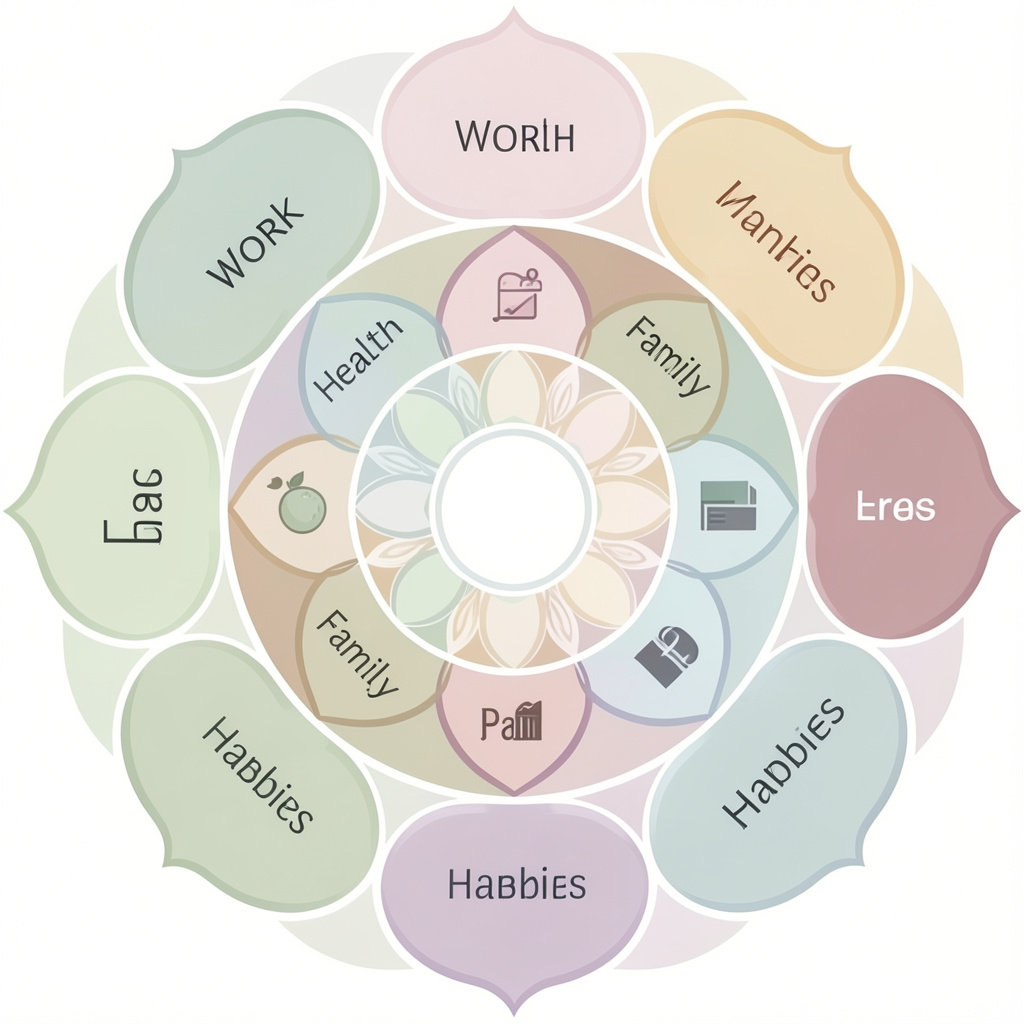
Visual representation of balanced lifestyle with harmony between different life areas

Balance is not about spending equal time on everything. It is about knowing what matters most right now and allocating your energy accordingly. Self-awareness helps you recognize when you are out of alignment, allowing you to make adjustments while you still have the energy to do so.

Authenticity is not about being brutally honest all the time or sharing every thought. It is about knowing who you are and making choices that reflect that truth. When you stop performing for others and start living from your center, life gets simpler and more satisfying.

Work-Life Considerations

Focus on sustainable rhythms that match your actual energy patterns and life season. Some weeks demand more work; others need more rest. Self-awareness helps you navigate these shifts with greater ease.

Authentic Living

Trying to be someone you are not is exhausting. When you know yourself well enough to show up authentically, you may attract people and opportunities that fit your life. You stop wasting energy on pretense and start investing it in what matters.

Honor Your Needs

Your needs are not weaknesses or inconveniences. They are requirements for your wellbeing. Self-awareness helps you identify what you actually need (not what you think you should need) so you can meet those needs before they become crises.

Setting Boundaries

Saying no to what drains you creates space for what energizes you. Self-awareness gives you the clarity to set boundaries that protect your wellbeing. Your boundaries are important for your overall wellness.

Personal Stories

Real experiences from individuals who have embraced self-awareness as a tool for personal growth and life enhancement.

Three months into my journaling practice, I had a revelation: I was not actually angry at my partner during arguments. I was scared of being misunderstood. That one insight changed everything. Now I can say "I feel scared that you are not hearing me" instead of attacking. Our fights are shorter and we actually resolve things now.

Aroha Williams Auckland

I used to experience stress frequently. Then I started tracking my stress patterns and realized it often increased after saying yes to things I did not want to do. Now I check in with myself before committing to anything. My approach to stress has changed significantly just from getting better at saying no.

Matiu Thompson Wellington

I discovered I interrupt people constantly because I am afraid I will forget my point. Once I saw this pattern, I started writing quick notes during conversations instead of jumping in. People actually finish their sentences now, and ironically, I remember my points better because I am actually listening.

Kiri Anderson Christchurch

Ready to Explore Self-Awareness?

Take the first step toward deeper understanding and personal growth. Connect with us to explore how self-awareness may influence your daily life and relationships.

Get in Touch

Have questions or want to share your experience? We would love to hear from you. Whether you are just beginning your self-awareness journey or looking to deepen your existing practice, we are here to support you.

Address

88 Shortland Street
Auckland 1010
New Zealand